
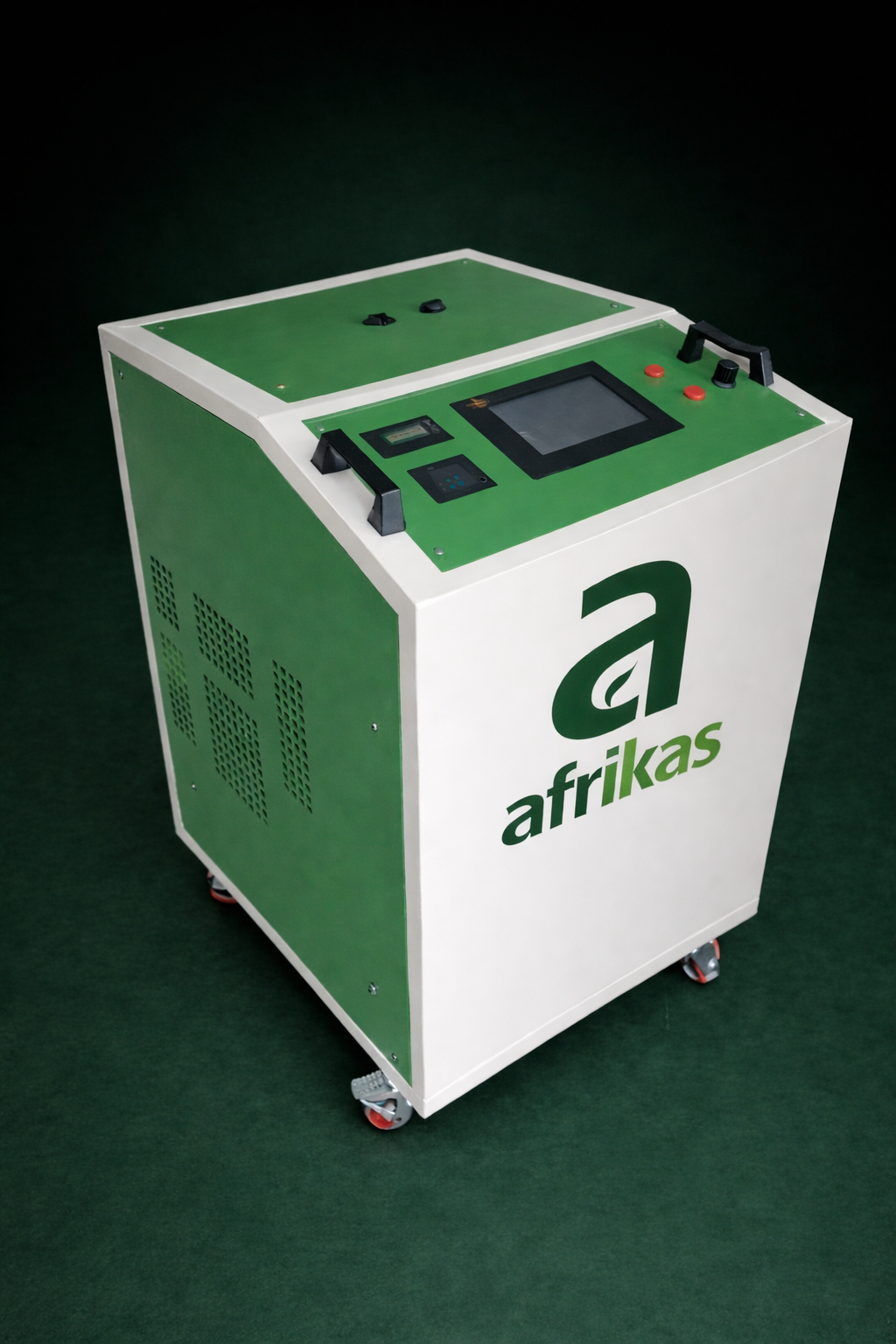

Heavy-duty machinery is the lifeblood of industry, yet carbon saturation is the silent thief that robs these assets of their primary strength: Torque. HHO decarbonization is the professional engineering answer to restoring mechanical performance without the catastrophic downtime of a manual engine teardown.
The Industrial Carbon Cycle and Performance Decay
In high-load environments, industrial diesel engines often run at “sub-optimal” thermal ranges for extended periods. This results in incomplete combustion, which leaves a thick, glass-like layer of carbon on fuel injectors, piston crowns, and valve seats. When injectors are clogged, the spray pattern becomes irregular, leading to “hot spots” and a massive loss in the explosive force required for maximum torque.
Restoring the Power Stroke via Hydrogen Catalysis
Our HHO systems introduce a precisely metered flow of hydrogen and oxygen gas into the air intake.
- The Speed of Flame: Hydrogen has a flame speed nearly ten times faster than diesel. This accelerates the combustion process, ensuring that the fuel burns completely before the exhaust stroke begins.
- Chemical Decarbonization: The high-temperature HHO reaction turns solid carbon deposits into a gaseous state (CO2 and Water Vapor), which is safely expelled through the exhaust. This “internal steam cleaning” restores the high-pressure spray pattern of your injectors, instantly recovering lost horsepower and torque.
Operational Resilience and ROI
A single 60-minute HHO treatment can extend the life of a turbocharger by thousands of hours. By clearing the turbine blades of soot, we reduce backpressure and thermal stress on the engine head. For a fleet manager, this translates to a 10–15% improvement in fuel economy and a significant reduction in smoke opacity, keeping your machinery compliant with environmental standards without expensive hardware replacements.